Thao Dien today: the homes this service covers and the address to use
Thao Dien lies beside the Saigon River, along Nguyen Van Huong, Xuan Thuy, Quoc Huong, Thao Dien street and Vo Nguyen Giap road. On 1 July 2025 the city stopped using districts, and Resolution 1685/NQ-UBTVQH15 placed the whole of Thao Dien in An Khanh ward; a ward is the local administrative unit that now ends an address. Older leases still say Thao Dien ward, District 2, and we take bookings under either address.
Our office in Sala is in the same ward. We take bookings every day from 7:00 AM to 8:00 PM and keep roof and cistern work to daylight and settled weather.
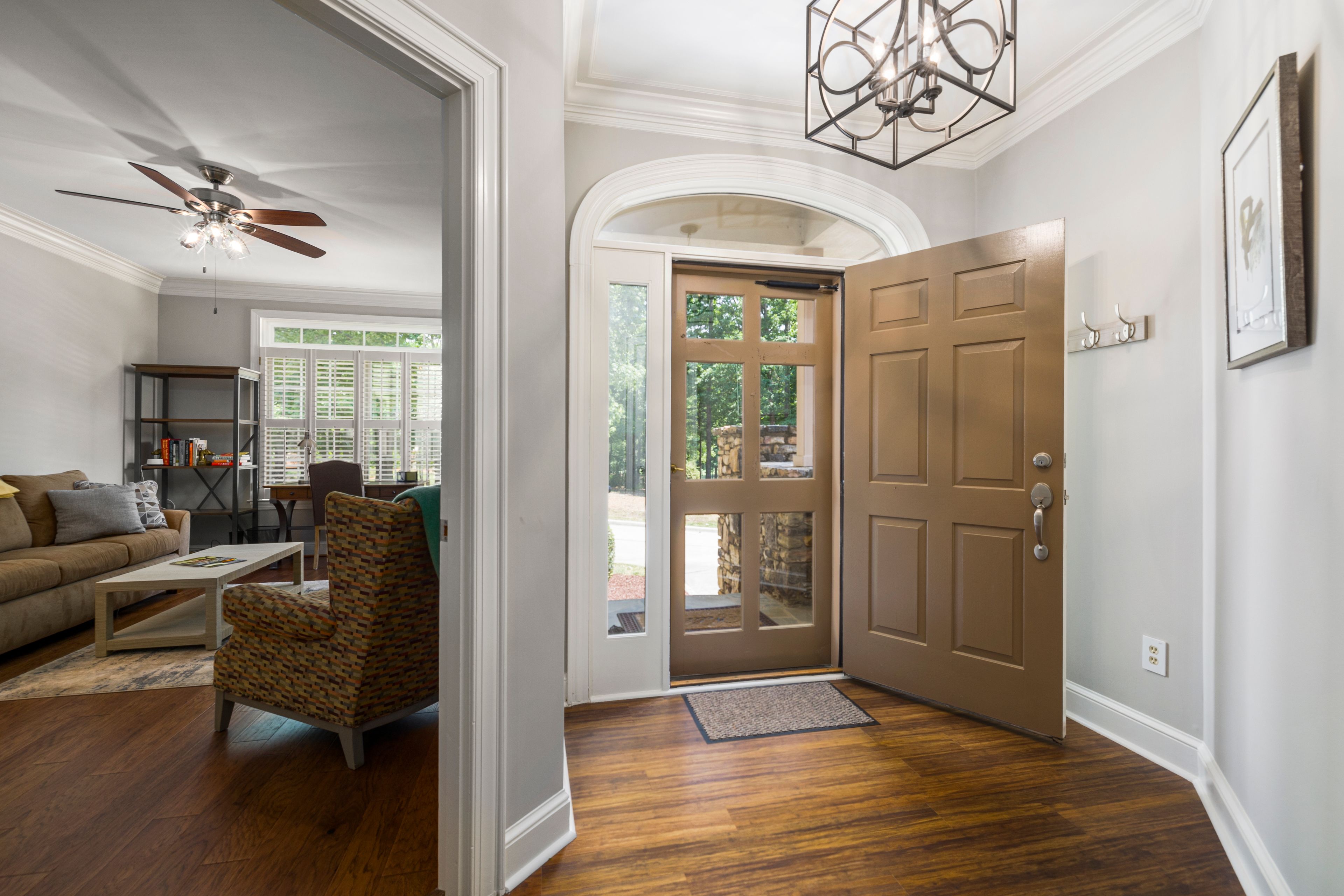
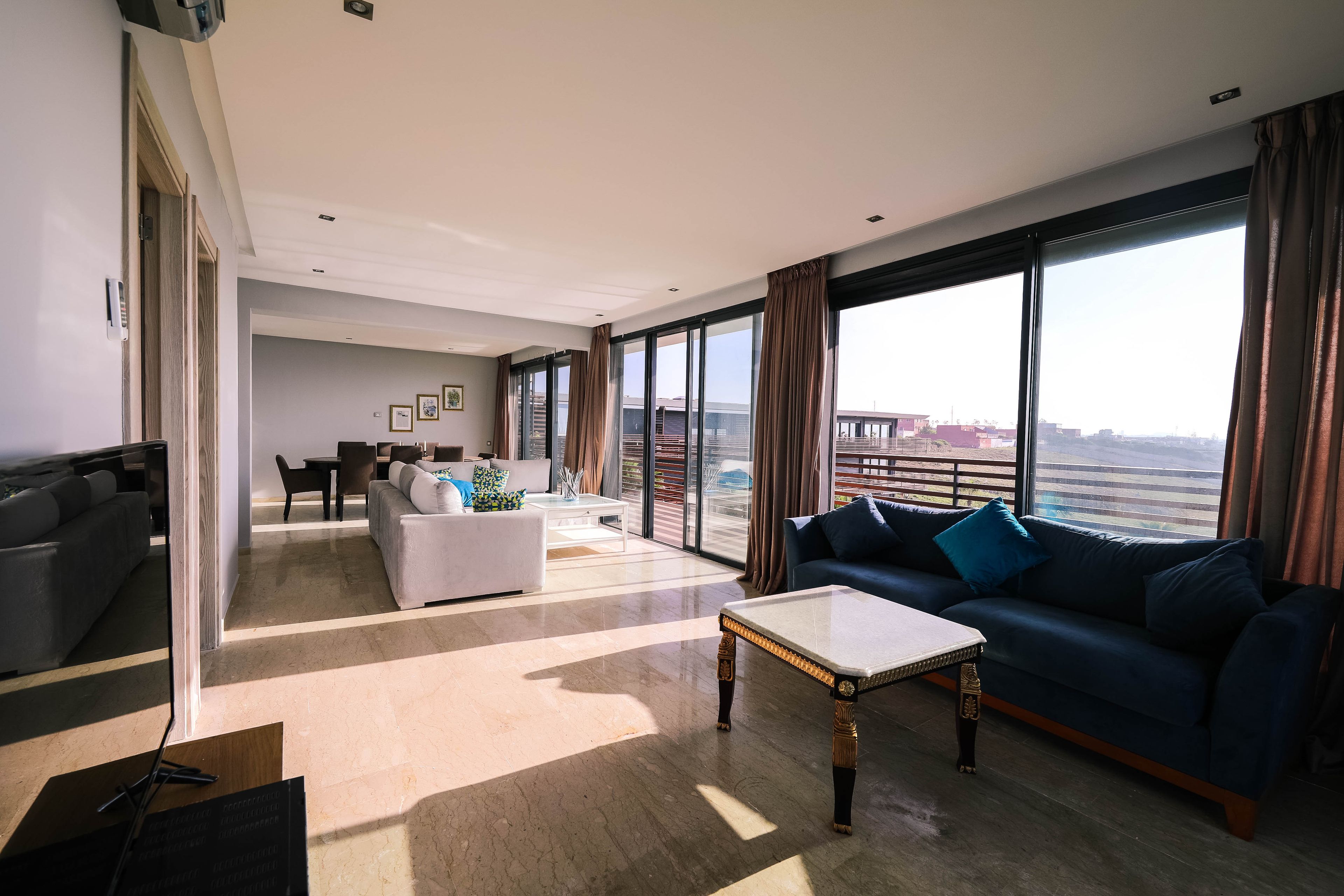
- Riverside and garden villas
- Along Nguyen Van Huong and Quoc Huong, many with a large garden, tall trees and a veranda open to the river.
- Houses in gated compounds
- Large houses behind a security gate, where your Up specialist, the UpClean staff member doing the job, registers on arrival.
- Townhouses
- Several floors with a roof terrace, in the lanes and on the main streets; some now house a showroom, a cafe or a small office.
- Apartment towers
- Masteri Thao Dien, Xi Riverview Palace, The Ascent, Thao Dien Pearl, Gateway Thao Dien, The Nassim, Tropic Garden and Lumiere Riverside have shared tanks that belong to the building and are looked after by its management, outside this service.
- Elsewhere in the former District 2
- Our District 2 page covers Sala, Thu Thiem, Binh Trung and Cat Lai.
Garden villas by the river: what ends up in the tank and the cistern
A Thao Dien villa sits among tall trees, so leaf fragments, dust and pollen settle round the lid of its roof tank all year. A lid that sits loose lets insects in, and algae grows faster in a plastic tank that stands in the sun with light getting past its lid. Inside, silt and pipe rust sink to the bottom and lift again whenever the pump starts.
The cistern is affected by the ground instead. A June 2025 report in Tuoi Tre newspaper describes Thao Dien street, Nguyen Van Huong and Quoc Huong as low ground with ageing drains: when heavy rain meets a high tide, 0.15–0.3 m of water can stand there for one to two hours. Once it has gone, look at the hatch in the yard or garage. If it no longer sits tight, or water from the yard has run in, discard that water and have the cistern cleaned before using it again. Indoors, watch for shower heads that block with grit and tap water that is cloudy or smells unusual.
Cisterns below ground, tanks on the roof: when we work and when we stop
A villa cistern is usually concrete, tiled or waterproofed, and holds a great deal of water behind one small opening. It is a confined space, where the air can lack oxygen or hold gas given off by rotting sediment. We take the job provided the opening is wide enough for a person and the cistern can be aired. The lid comes off some time before anyone goes down, and two people or more attend, one of them staying at the top until the work is done. An odd smell, poor airflow, an opening that is too tight or water still running in means nobody goes down; we explain why and propose something else.
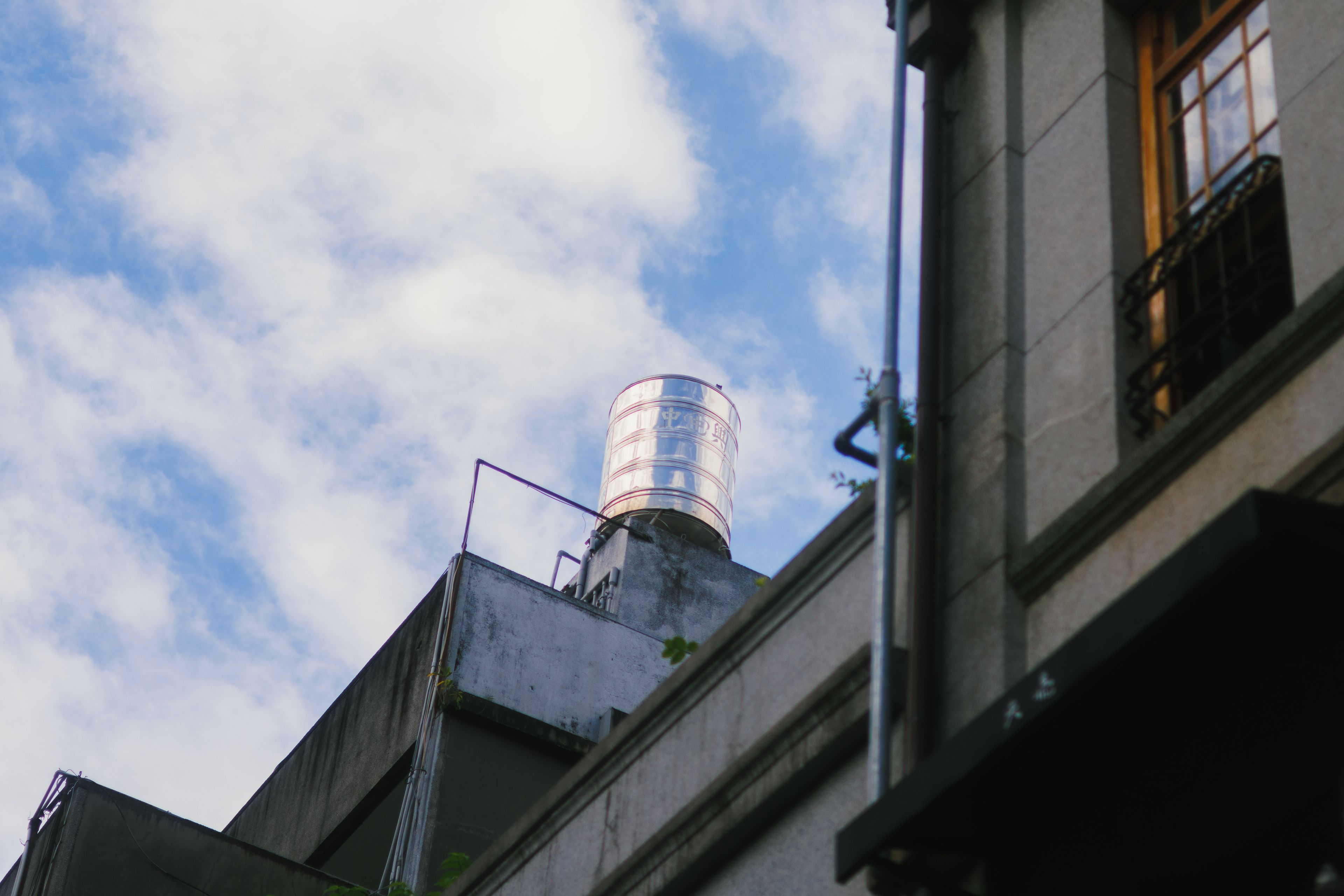
On a townhouse the question is the way up. We go up only by a fixed ladder, onto a railed roof deck or a firm platform, and close to the edge the specialist is clipped to a load-bearing anchor. A slippery route, rain or strong wind moves the visit to another day, and we call you first.
- Steel and plastic tanks
- Both are cleaned with soft brushes and pads, because metal brushes, scouring powders and strongly acidic cleaners scratch steel. On a plastic tank we also look over the lid, the screw thread and cracks from ageing.
What happens on the day, and what the service leaves out
Every stage is photographed for the Up Report, the record with before-and-after photos that we send by WhatsApp or Zalo after each visit.
- On arrival the specialist photographs the tank, valve and float as found, closes the supply valve and drains what is left in the way agreed with you.
- Sediment is vacuumed and scooped out; the walls, the bottom, the corners and the inside of the lid are scrubbed, and the float, the pipe ends and any screen are washed.
- Disinfection uses a product approved for household water storage, mixed to the maker's dose. The tank is then rinsed with clean water as many times as it takes for the smell of the product to go, and only then is the valve opened.
- No water testing
- Our work ends with a clean, disinfected tank. Testing the water, certifying it or promising any water-quality figure is not part of the service.
- No repairs
- A faulty float, valve or lid is recorded with photos in the Up Report for your plumber.
Water tank cleaning prices in Thao Dien, with worked examples
Each tank has one all-inclusive price set by its capacity: 450,000 VND for up to 1,000 litres, 650,000 VND for more than 1,000 and up to 2,000 litres, 850,000 VND for more than 2,000 and up to 5,000 litres. Anything bigger is priced after a survey. A cistern is charged at 70,000 VND per m³ with a floor of 1,500,000 VND, and the smallest charge for a visit is 450,000 VND.
We settle which price applies from your photos; a cistern or an awkward position is surveyed at the house at no charge. The written quote changes only if you agree in writing. The capacities below are assumed:
- Townhouse in a lane, one 1,500-litre stainless tank on the roof terrace
- In the second size band, so 650,000 VND.
- Garden villa, a 4,000-litre roof tank and a 20 m³ cistern
- Roof tank 850,000 VND. Cistern: volume alone would give 1,400,000 VND, so the cistern is charged at its floor of 1,500,000 VND. Both together: 2,350,000 VND.
- Riverside villa, a 40 m³ cistern
- Charged by volume: 40 m³ at 70,000 VND each makes 2,800,000 VND.
Tenants, owners abroad and international families: arranging the visit
Most villas let to foreign tenants in Thao Dien come furnished, and between two leases a house can stay shut for weeks while the water in its tank simply stands. Have it drained and the tank cleaned before the next tenant arrives; with the house empty, the shut-off troubles nobody.
- English
- Enquiries, quotes, booking confirmations and the Up Report can all be in English. If you want a specialist who speaks English at the house, say so when you book; if we cannot arrange one we tell you beforehand and help by phone or message.
- If you rent
- Tell your landlord first: the water is shut off and the roof or the cistern is opened.
- At the compound gate
- Up specialists are identity-verified and trained to the Up Standard, our working procedure. You receive the specialist's name, photo and contact number beforehand to pass to the guards, who decide where we park and which outdoor tap we may use.
- Keys and payment
- You do not need to be home: a key left with a relative or the compound's security is handled only by the assigned specialist and never copied. You pay after checking the work, in person or by video call, by bank transfer or cash; invoices are issued on request.
- If something is not right
- Answer the Up Report within 48 hours and anything in the agreed scope is redone at no charge. If we are over 15 minutes late, that visit is 10% cheaper. To book, send photos to +84 968 726 135 on WhatsApp or Zalo.
What does UpClean's water tank cleaning include?
- Survey of tank location, access, capacity and sediment before work starts
- Supply valve closed and remaining water drained as agreed with you
- Sediment removed; walls, floor, corners and underside of the lid scrubbed
- Float valve or float switch, inlet, outlet and screens cleaned
- Disinfection with approved products for domestic water storage, at the labelled dose
- Repeated rinsing with clean water before the supply is restored
- Lid, seal and insect screen checked; any faults recorded (no repairs)
- Up Report with before-and-after photos via Zalo or WhatsApp
Written by the UpClean technical team, reviewed by Trần Nguyễn Hữu Nhật — Founder of UpClean.