
What are the signs of rats or mice in a house?
Rodents are active mainly at night, so most households find traces before they see an animal. Rodents spoil food and belongings and may gnaw electrical cable, and the World Health Organization (WHO) and the CDC state that they can carry certain diseases, among them leptospirosis, which spreads through rodent urine.
Before setting a trap, spend a day or two noting where the traces are. They show where the rodents travel, what they eat and where they shelter.
- Droppings: elongated pellets along the base of walls, in kitchen cupboards, under the sink and in storeroom corners.
- Fresh gnaw marks on rice sacks and snack packets, electrical cable, flexible water hoses and the edges of wooden doors.
- Dark, greasy smears along the base of walls and door edges, on the routes they use.
- Running or scratching on a plasterboard ceiling or inside a wall at night.
- Nests of shredded paper, cloth or foam in cardboard boxes, under the stairs or in a service duct.
- A sharp smell of urine in a closed room or a cupboard that is rarely opened.
Which rats and mice get into homes in Ho Chi Minh City, and how?
Homes in Ho Chi Minh City usually meet three kinds of rodent. Each travels in its own way, so knowing which one you have tells you where to look for the way in.
| Rodent | How it gets in and where it settles |
|---|---|
| Sewer rat | Large and heavy-bodied, a strong burrower and swimmer. It comes up from sewers, drain pits and drainage channels into yards, laundry areas and ground-floor bathrooms, and is common in townhouses and villas near canals. |
| Roof rat | Slender, long-tailed and an agile climber. It uses branches that touch the roof, electrical cables and vertical drainpipes to reach metal roofs, plasterboard ceilings and roof terraces. |
| House mouse | Small enough to pass through a very narrow gap. It nests in kitchen cabinets, under appliances and in service ducts, and reaches high-rise apartments with deliveries or along service shafts. |
Why do traps and poison alone not get rid of rats?
Rodents breed fast and are good at finding routes. While food is left out, a cluttered storeroom offers nesting space and a gap still connects the house to the sewer, the roof or a service duct, catching a few only makes room for others. That is why the CDC's guidance on rodent control puts sealing entry points and keeping the home clean ahead of trapping.
Loose bait has a drawback few people expect. A rat that eats it often does not die at once; it crawls into the ceiling, a wall or the space under a cupboard and dies out of sight, leaving a smell for many days. Bait is also a hazard to young children and pets when it is badly placed. In a home that is lived in every day, mechanical traps combined with sealing are usually the safer choice.
How do I cut off their food and shelter?
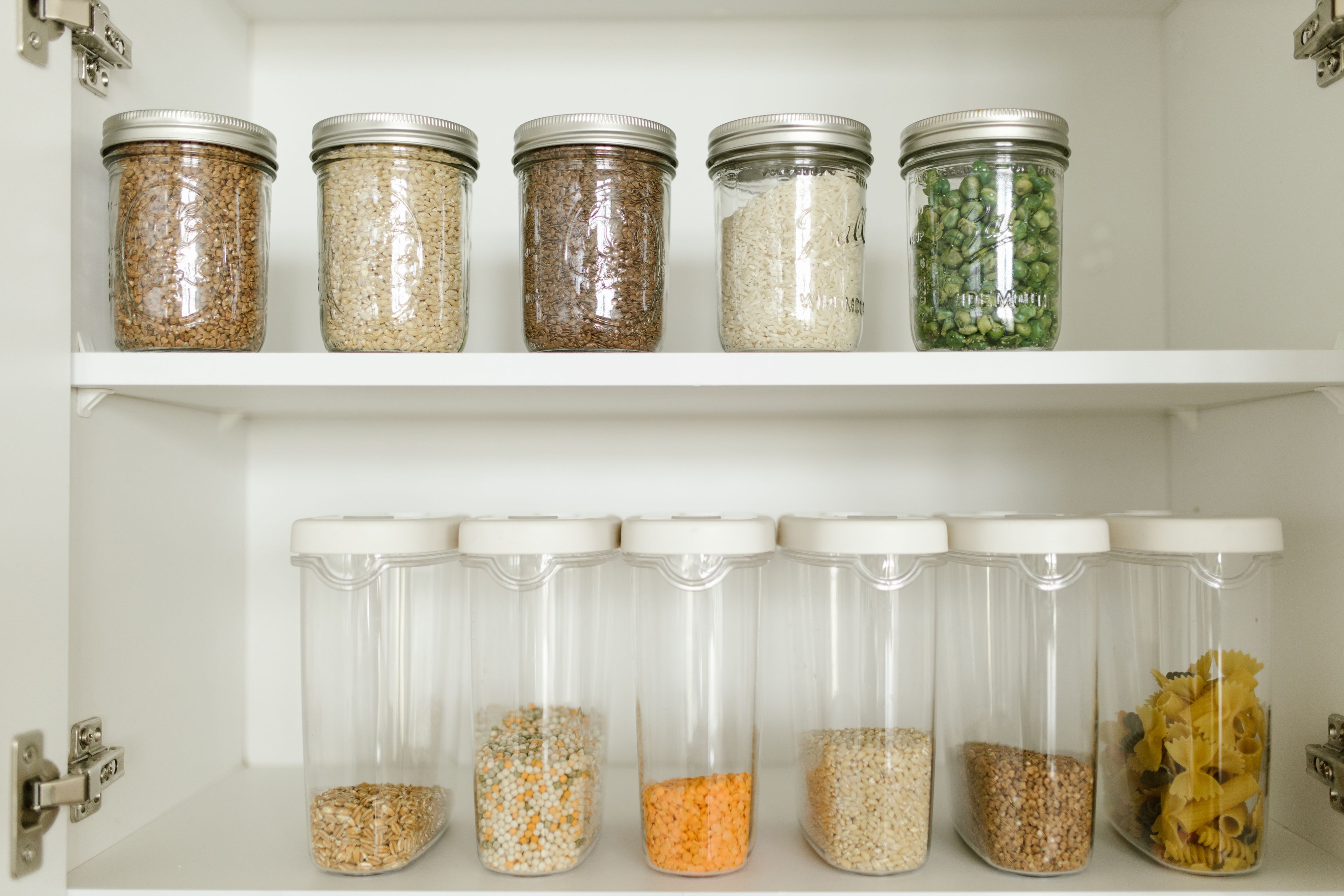
- Keep rice, cereals, dry goods and pet food in rigid plastic or glass containers with tight lids.
- Do not leave pet bowls, fruit or leftovers out overnight.
- Use bins with lids and take the rubbish out every evening; wipe grease from around the hob and the cooker hood.
- Keep the storeroom and the space under the stairs tidy, with items raised off the floor and away from the wall so that fresh traces are easy to see.
- Throw out old cardboard boxes and unused blankets and pillows, the materials rodents carry off to nest in.
- Dry the drip tray under the fridge and the cupboard under the sink. Rodents need water as well as food.
Where do rats get in, and how do I seal the gaps?
Sealing decides whether the result lasts. A house mouse slips through a very narrow gap, and a sewer rat digs and swims its way along the drains. Close each gap with material rodents cannot easily gnaw: steel mesh, metal sheet or mortar. Foam or tape alone is usually chewed through within a few nights.
| Part of the house | Gaps to check |
|---|---|
| Drains | Floor-drain grates, sewer openings and drain pits with a missing or loose cover. |
| Walls | The gaps around aircon copper pipes, water pipes and electrical conduit where they pass through. |
| Doors and vents | The gap under roller shutters, the garage door and the back door of the kitchen; vents with no mesh. |
| Ceilings and service ducts | Service-duct doors and ceiling access hatches that do not close tightly. |
| Roof and garden | The edges of a metal roof, the joint between roof and wall, and branches that touch the roof or come close to a balcony. |
How do I set rat traps so that they work?
A trap in the wrong place is the usual reason a household decides that traps do not work. Guidance on rodent control agrees on these points:
| Point | What to do |
|---|---|
| Position | Against the base of a wall, along the runs marked by droppings and smears, behind the fridge and under the kitchen units. Rodents rarely cross an open floor. |
| Number | Several traps at once, not one, so that the work is over before the rodents breed again. |
| Getting them used to it | Rodents are wary of anything new. Bait the trap without setting it for the first night or two, then set it. |
| Cage and snap traps | They catch the animal on the spot, so nothing dies out of sight. Check every morning and deal with a catch the same day. |
| Glue boards | Easy to use, but they cause the animal prolonged suffering and can also catch pets, birds and geckos. Think carefully before choosing them. |
| Bait and rodenticide | Only a product with a registration number from Vietnam's Ministry of Health, in a closed box, used as the label says and out of reach of children and pets. With children, dogs or cats at home, leave the placement to a professional. |
How do I clean up rat droppings safely?
Rodent droppings and urine can carry disease. The CDC's guidance is not to sweep or vacuum dry droppings, because that can send contaminated dust into the air. Wet them first:
- Open the windows and doors to air the area for at least 30 minutes before you start, and stay out of the room meanwhile.
- Wear rubber or nitrile gloves, and a mask as well if the space is enclosed and heavily soiled.
- Spray household disinfectant, diluted as its label says, on the droppings, urine and nesting material until they are soaked, and leave it for about 5 minutes.
- Pick up the droppings with paper towels or disposable cloths, wipe the spot, seal everything in a bag and put it in a lidded bin.
- Wipe floors, shelves and worktops again with disinfectant, and wash affected bedding, curtains or fabric in hot water.
- Take off the gloves and wash your hands thoroughly with soap and clean water.
- Never mix chlorine bleach with acidic cleaners or ammonia: the mixture can give off toxic gas.
There is a dead-rat smell. How do I find it and get rid of it?
The smell goes only when its source is removed. Perfume, scented candles, coffee grounds and activated charcoal mask it for a short while as the carcass goes on decomposing.
If the carcass is inside a plasterboard ceiling or a wall, do not drill, cut or climb up: the ceiling frame is not designed to carry a person's weight. Look through the access hatch with a torch from a ladder, and leave taking down panels or opening a wall to someone experienced. Meanwhile close the door of that room, open its window and run an extractor fan. The smell fades as the carcass dries; how long depends on the size of the animal and the ventilation.
Where you can reach it, work in this order:
- Narrow it down: where the smell is strongest and where flies gather. Check under the kitchen units, behind the fridge, under the washing machine, in rarely opened cupboards and in the storeroom.
- Collect it: with gloves on, pick the carcass up through a plastic bag turned inside out, tie the bag, put it in a second bag and then in a lidded bin.
- Disinfect: wet the spot and any seepage with disinfectant, let it soak, and wipe with disposable cloths, as for droppings.
- Clean what absorbed the smell: wash nearby fabric, curtains and rugs, and throw away porous material such as cardboard or foam that has soaked up fluid.
- Ventilate: keep windows open and an extractor fan running for a few days.
When should I call rodent control?
Call when fresh droppings still appear after a few weeks of trapping, when traces turn up in several rooms, when you hear noise on more than one floor or in the ceiling several nights running, when rodents return after being caught, when children or pets make bait too risky to handle yourself, or when a smell lingers and you cannot find its source. For a single stray mouse, a mechanical trap placed where children and pets cannot reach it, food shut away and bins covered may be all that is needed.
What UpClean does about rats and mice, and how to book a survey
UpClean's rodent control starts with a free survey of the walls, drains, roof, ceiling and service ducts. The written, all-inclusive quote that follows lists the gaps to seal, the positions of traps and lockable bait stations, the schedule of checks and the warranty terms. Before the survey, leave droppings and gnaw marks where they are, shut food away and clear the way to the storeroom, the space under the stairs and the ceiling hatch.
UpClean's own pest-control technicians set the traps and bait stations. Indoors they usually prefer traps; bait stays inside locked stations out of reach of children and pets, and the household is asked not to move or open a station and to report at once if a pet shows unusual symptoms. Up specialists, UpClean's identity-verified and trained staff, close routine gaps with mesh, covers and filler, and record anything that needs a builder or, in an apartment, building management. They clean droppings and nesting areas by wetting first, and treat odours at the source where it can be reached.
After each visit you receive an Up Report by WhatsApp or Zalo, with a plan of every trap and station, the points sealed and the points left for you to follow up. Information on the products used is available on request. To book, send photos of the droppings or gnaw marks to 0968 726 135 on WhatsApp or Zalo and say which rooms the noise comes from, or call between 7:00 AM and 8:00 PM on any day. Enquiries, quotes and the Up Report can be in English. You receive the specialist's name and photo before the visit, which is what an apartment building needs if it asks residents to register outside staff.
- Rodent control
- What the service includes and the areas covered.
- Disinfection and odour removal
- For a smell that has soaked into a sofa, mattress or wardrobe.
- Cockroaches, ants and geckos in apartments
- The other pests that use floor drains and gaps around pipes.
- Book a survey
- Send the request online.
- Contact UpClean
- Phone, WhatsApp, Zalo and the office address.
Frequently asked questions
Is rat poison safe to use with children and pets at home?+
Limit it. If you do use bait, choose a product with a Ministry of Health registration number, keep it in a locked box out of reach of children and pets, and read the label.
Do ultrasonic rat repellers work?+
Evidence of a lasting effect is limited. Rodents can get used to the sound, and it does not pass through walls or furniture. A repeller does not replace sealing entry points and trapping.
Why are there mice in a high-rise apartment?+
They follow service shafts and rubbish chutes, arrive with deliveries or slip through gaps at service-duct doors. Seal the gaps around pipes inside your flat and ask building management to deal with the common areas.
How long does a dead-rat smell in the ceiling last?+
There is no fixed figure. It fades as the carcass dries, faster or slower depending on the size of the animal, the temperature and the ventilation.
I hear scratching in the ceiling at night. What is it?+
Usually roof rats, sometimes house mice that have followed aircon pipes or cables up. Note which rooms and at what time, and do not scatter bait in the ceiling yourself.
How much does rodent control cost in Ho Chi Minh City?+
UpClean does not list a rate. The price depends on the size of the property, the gaps to be sealed, how active the rodents are, the number of return checks and the cleaning needed afterwards. The survey is free, and the quote is all-inclusive and in writing.
Related guides
- Ants in the house: why they keep coming back, how to find the nest and how to get rid of them
- Rove beetles in Vietnam (“kiến ba khoang”): what they look like, what to do if one lands on you and how to keep them out
- Flies in the house: where house flies and drain flies breed, and how to get rid of them
- Centipedes in the house: are they dangerous, why they come in and how to keep them out
- Termite treatment cost: what decides it, how to read a quote, and why a price by phone is unreliable
- Termite inspection and treatment step by step: what happens, how long it takes and what to prepare
- Termite bait stations: how they work, where they go and how long the colony takes to stop
- Flying termites in the house: what a swarm means, what to do tonight and when to call for a survey
