
Which indoor plants are easiest to keep in an air-conditioned apartment?
Start with plants that tolerate shade and a few days without water, since the light in a flat here weakens towards the back of the room and hours of aircon dry the air. The Vietnamese names help when buying locally.
| Plant | Why it is easy, and what to watch |
|---|---|
| ZZ plant (“kim tiền”) | Swollen underground stems store water, so it handles shade and long dry spells. Water when the soil is dry almost to the bottom; overwatering is its biggest enemy. |
| Snake plant (“lưỡi hổ”) | Thick, fleshy leaves that manage in a dim corner. Water sparingly in an air-conditioned room; soil that stays damp rots the base. |
| Pothos and monstera (“trầu bà”, “trầu bà lá xẻ”) | Fast growers for a desk, a hanging pot or a pole. Too little light fades or thins the leaves. |
| Parlour palm (“cau tiểu trâm”) | A compact, fairly shade-tolerant palm. Keep the soil slightly moist, never waterlogged. |
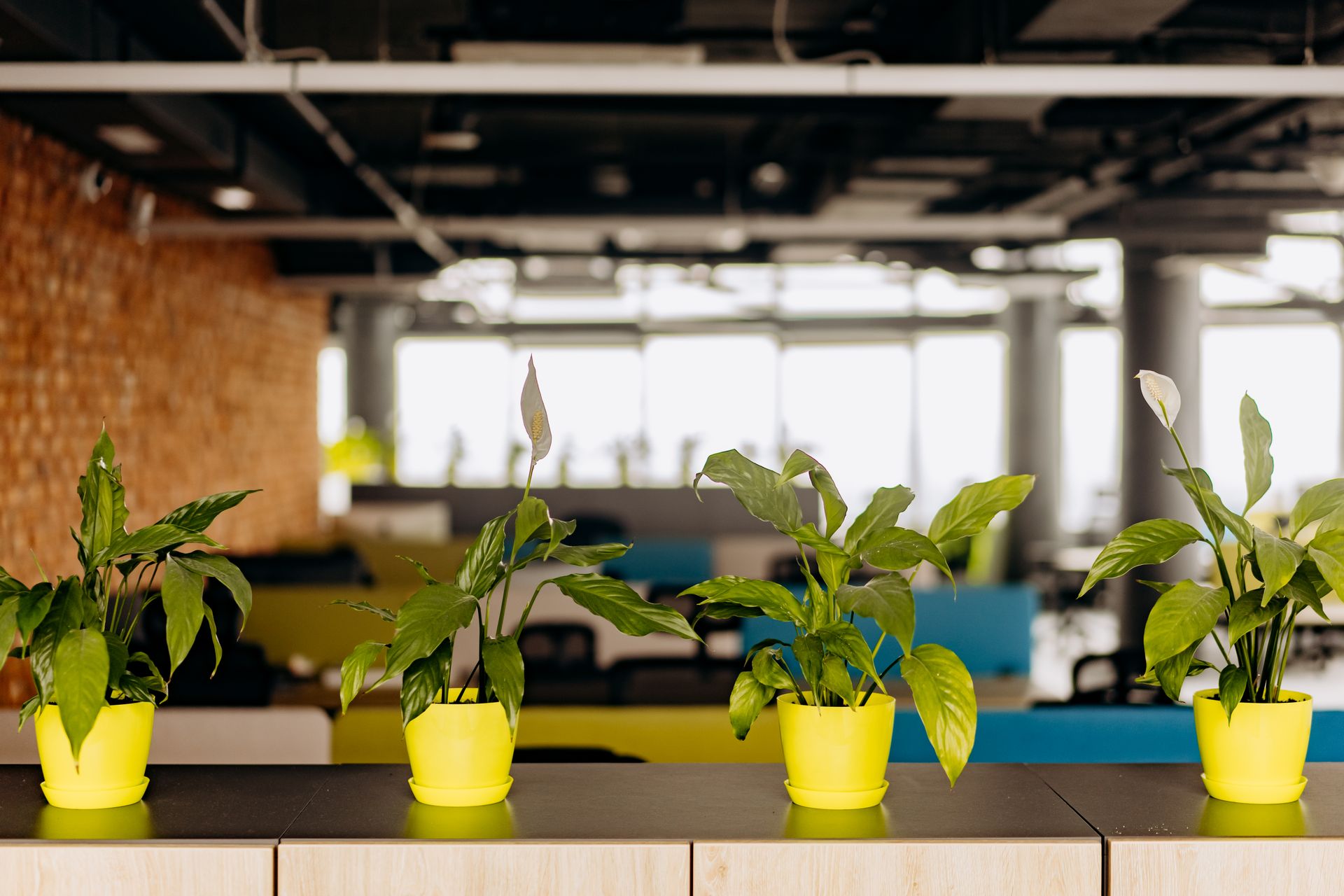
| Peace lily (“lan ý”) | White flowers, good shade tolerance, and leaves that droop when thirsty and recover soon after watering. |
| Spider plant and ferns | Good in a hanging pot near a window. Ferns want more humidity: a bathroom with a window or a covered loggia. |
Can indoor plants grow without direct sunlight, and where should they go in a flat?
Without direct sun, yes; without light, no. Plants need light to photosynthesise. Low light indoor plants tolerate weak, indirect light, but stretched stems, ever smaller new leaves and variegated leaves losing their markings mean it is still too weak.
In a windowless room, an LED grow light or an ordinary white LED, a moderate distance away and on for about 8 to 12 hours a day, keeps a shade-tolerant plant going; so does a few days each week in a bright spot.
- Give each pot a quarter turn every one to two weeks so the plant does not lean towards the light.
| Spot in the apartment | What suits it, and what to watch |
|---|---|
| One to two metres from a window or loggia door | Peace lily, monstera, fiddle-leaf fig, parlour palm. Bright, without afternoon sun hitting the leaves through the glass and burning them. |
| Further into the room | ZZ plant, snake plant, pothos. They need indirect light still; a fully dark corner will not do. |
| Against west-facing glass | Avoid it in the sunny months, or diffuse the light with a sheer curtain. |
| In front of or under the aircon | Avoid it. The cold, dry airflow dries the leaf margins and curls the leaves. |
What does air conditioning do to a house plant?
It dries the air and the soil surface while the bottom of the pot can stay wet. A room where the aircon runs all day is fairly dry even in this humid city, so the topsoil tempts you to water again when the lower half is still damp. Feel deeper first.
For humidity lovers such as ferns and calathea, set the pot on a tray of pebbles and water, with the pot base above the waterline, or group pots together. Do not mist leaves in the evening; leaves that stay wet overnight invite fungus.
- Aircon on all night: temperature and humidity
- The indoor humidity range to aim for.
- Mould and damp in Saigon apartments
- Where musty smells start, and how to stop damp at the source.
How much water do indoor plants need?
Enough to wet the whole root ball, and only after the soil has dried, so no timetable suits every plant. Small pots, unglazed terracotta, sun, wind and new growth dry a pot faster; big pots, plastic pots, a dim air-conditioned room and rainy weather slow it down.
- Check first: push a finger 2–3 cm into a small pot, deeper into a big one, and for ZZ plant and snake plant wait until it is dry well down. A clearly lighter pot, or a wooden skewer that comes out clean, also means dry.
- Pour slowly round the base, not over the leaves, until water runs from the drainage hole.
- After fifteen to thirty minutes, tip away what has collected in the saucer, which protects wooden floors and leaves mosquitoes nowhere to breed.
- Water early in the morning where possible. Later in the day, wet the soil only, early enough for splashed leaves to dry before dark.
- In the rainy season, when the flat gets less sun, water less and less often.
Why does overwatering kill more indoor plants than drought?
Roots need air as well as water. In soil that never dries they are starved of oxygen and rot. Daily sips harm too: only the top layer gets wet, so roots stay shallow and the plant suffers in hot weather. Use a decorative pot with no drainage hole only as a sleeve around a plastic pot that drains.
| Situation | What you see, and what to do |
|---|---|
| Too much water | Yellow, limp leaves although the soil is wet; a dark base that smells; moss, mould or tiny flies on the surface. |
| Too little water | Wilted, brittle leaves with dry margins; soil shrunk from the side of the pot; a very light pot; water running straight through. |
| Rescue after overwatering | Stop watering, move it somewhere airy, check the drainage hole. If roots have rotted, trim them and repot in fresh, free-draining mix. |
| Rescue after drought | Stand the pot in a basin of water for 15 to 20 minutes so the soil soaks it up, then let it drain. |
Why are my plant's leaves turning yellow or brown?
Light and water are behind most problems, so check those before reaching for any product. An old leaf that yellows and drops off now and then is simply ageing.
| What you notice | Likely cause and response |
|---|---|
| Yellowing from the bottom up, soil damp for days | Usually overwatering or poor drainage. Water less often, check the drainage hole, and follow the rescue steps above if the base is soft and smells. |
| Dry brown leaf edges | Often an aircon draught, dry air or irregular watering. Move the plant out of the airflow and raise the humidity around it. |
| Tiny flies around the pot | Usually fungus gnats breeding in topsoil that never dries. Let the surface dry between waterings; replace the top layer if needed. |
| White cottony tufts, or fine dust under the leaves | Possibly mealybugs or spider mites; see the next section. |
| Fine webbing, unusually curled leaves, or a sign you cannot name | Do not guess at a product. Move the pot away from the others and send a photo to a specialist before treating it. |
Which pests are common on indoor plants, and what can I do at home?
Mealybugs, spider mites, fungus gnats and fungal disease. Indoors there are few natural predators, so a small colony spreads fast unless you check under the leaves, at leaf joints and at the base when you water.
- Move an affected pot away from the others at once.
- Wipe the leaves with a damp cloth and cut off badly damaged ones.
- If a product is truly needed, use one permitted for sale in Vietnam, follow its label and apply it somewhere well ventilated.
- Ants nesting in a plant pot
- Confirming a nest in a pot, and dealing with it.
- Mosquitoes breeding in saucers
- The weekly round of standing water to empty in the rainy season.
Which common houseplants are unsafe for cats, dogs and small children?
Several easy plants above are on the toxic list of the American Society for the Prevention of Cruelty to Animals (ASPCA): chewed or swallowed, they can harm cats and dogs, typically causing mouth irritation, drooling and vomiting.
Lilies are the serious case: true lilies (genus Lilium) and daylilies (Hemerocallis) can cause dangerous kidney failure in a cat, even one that only licks the pollen.
With a pet or a toddler at home, keep toxic plants high and out of reach. If a pet may have eaten one, go to a vet with the plant's name or a photo.
| Plant | Risk to pets, and what to do |
|---|---|
| Pothos, monstera, philodendrons, ZZ plant, snake plant, peace lily, aloe vera, dumb cane (Dieffenbachia) | On the ASPCA toxic list. Keep out of reach. |
| Lilies and daylilies | Dangerous to cats, pollen included. Keep none in a home with a cat, potted or in a vase. |
| Spider plant, Boston fern, areca palm, parlour palm, calathea, money tree (Pachira) | Recorded by the ASPCA as non-toxic to cats and dogs, so a pet household can start here. |
How do I keep plants watered while I am on holiday?
House plants wilt fastest during long trips in the dry season. Prepare the plants for a short trip; for a long one, arrange the watering.
- Some days before departure, pinch off flowers, buds and old leaves so the plant needs less water, and skip feeding.
- Water every pot thoroughly just before you leave and move the plants somewhere bright but out of strong sun.
- Cluster the pots on a tray of pebbles in shallow water, pot bases clear of it, so they share moisture.
- Run a cotton or purpose-made wick from deep in the soil to a water container standing higher than the pot.
- An upturned plastic bottle with small holes in its cap releases water for a few days; test the drip rate beforehand.
- A self-watering pot, with a reservoir in its base, suits plants that like moderate moisture.
- For a long absence or many plants, use a timer-controlled drip kit trialled for several days beforehand, or someone who waters on set days.
- Garden care in Saigon's rainy season
- Watering a villa garden while you are away.
When is a plant care service worth it, and how does UpClean's service work?
A few easy plants are manageable alone. A service makes sense with many or valuable plants, frequent travel, or an office where the plants are nobody's job. For office plant care UpClean lists plants by location, visits outside peak hours or within the building's permitted hours, and issues VAT invoices, with payment after the work is accepted.
An Up specialist, one of UpClean's identity-verified staff trained to the Up Standard, checks each pot's moisture and waters only where needed, prunes, wipes leaves, feeds, checks for pests, turns pots for light and, once you approve, repots root-bound plants. After each visit the Up Report, UpClean's visit report, follows by WhatsApp or Zalo: before-and-after photos and notes on each plant.
While you travel, access is agreed in writing beforehand. The key or access card can stay with building management or reception; only the assigned specialist handles it, times are recorded and keys are never copied. Before each visit you receive the specialist's name, photo and contact number, which is what you need if your building asks residents to register outside staff. Enquiries, quotes and the Up Report can be in English; ask for an English-speaking specialist when booking, and if we cannot arrange one we say so in advance and help by phone or message.
The survey is free, on site or from photos. The fixed written quote states frequency, tasks and anything charged separately, such as repotting; nothing is added without your agreement. A care task that falls short is redone free within 48 hours. Call or message 0968 726 135 (phone, WhatsApp, Zalo), 7:00 AM to 8:00 PM, any day.
- Indoor and office plant care
- Indoor plant care in Ho Chi Minh City: the service and the areas covered.
- Book a survey
- Send the request online, with photos of your plants.
- Contact UpClean
- Ask a question first, in English.
Frequently asked questions
What is the easiest indoor plant if I keep forgetting to water?+
ZZ plant or snake plant. Both store water and can go a few weeks dry. When you remember, water normally rather than making up for lost time: soil that stays wet rots the base.
Is it bad to keep plants in the bedroom?+
No. The carbon dioxide a few pots release at night is tiny in an ordinary bedroom. Damp soil and water in saucers matter more, because they can grow mould and attract insects.
Do indoor plants actually purify the air?+
Not to any meaningful degree. Air-purifying plant lists often cite a 1989 NASA study in small sealed chambers; a 2019 review by Cummings and Waring of Drexel University found that ordinary numbers of indoor plants remove a negligible amount of volatile organic compounds compared with natural ventilation. Open the windows, run the extractor when cooking and keep the aircon cleaned.
Should I wipe the leaves of indoor plants?+
Yes. Dust cuts the light a leaf receives. Wipe gently with a soft damp cloth, supporting the leaf from beneath; leaf-shine products are unnecessary.
How often does a plant care service need to visit?+
It depends on species, pot size, light and season. Weekly or fortnightly suits many homes and offices; the specialist proposes one after the survey, and watering and feeding change with the season.
Will UpClean replace a plant that dies?+
Only as agreed in the contract. When a plant starts to decline, the specialist flags it early in the Up Report so that you can decide.
